Beginner’s Guide to Model Magic Clay: 5 Easy DIY Projects
Updated: 02 Feb 2026
Table of Contents
Model magic clay is soft, light, and easy to handle. Also, it dries in 24 hours without heat, which makes it safer than drying with heat like ceramic and polymer clay. This allows better crafting and more cautious fun with clay at home.
According to the Department of Art Education, Ohio State University (2019), air-dry clay improved fine motor skills by 37% when children dried it without heat. This highlights the necessity of using basic tools for learning and creating.
Parents and teachers guide their students through easy clay projects. They use sketches and step-by-step methods to reduce mistakes and focus the growth of skills. Templates provide a basis for practice and speed up improvement.
“We are big enough to tackle the bigger and complex designs, but for the most part we also use simple designs. Therefore, ones like flowers, animals, and alphabet letters help tie the mix. 5 guided ones build enough confidence to tackle the complex designs with high levels of improvement in creative skills.
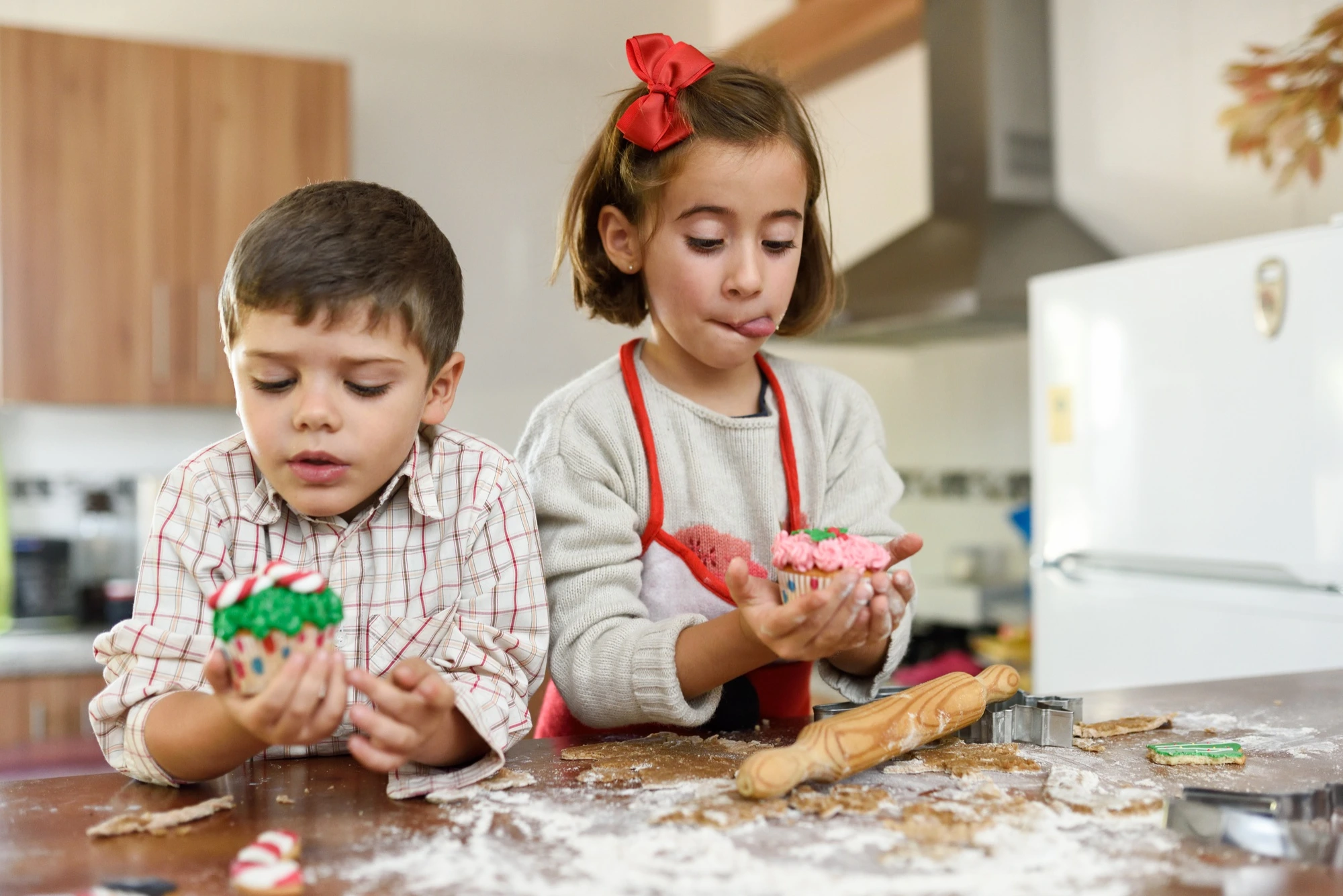
What Makes Model Magic Clay Beginner-Friendly?
Here are clear reasons why this clay is the best starting point for learners.
- Soft Texture: Beginners have no issues of rolling or stretching the Model Magic Clay because of its lightness and smooth texture. Shaping is also simple because the material is extremely soft. People enjoy the process of learning how to work with this material because everything is soft and easy. Clay figures and small shapes retain their texture because easy manipulation yields no cracks.
- Air Drying: Kids have an option of making a mark and model without going through the painstaking process of using an oven or heating clay. This is because the mark of the model stays intact without the use of these tools. Which makes the tools easier to use at home. Clay is an art tool that is easy to use and greatly speeds up work. Because no other steps finish an art project, clay enhances the overall learning experience.
- Non-Toxic Safety: The soft clay contains reliable ingredients including non toxic colors which makes it easy to use for small kids. This encourages kids to experiment with their ideas without worrying about their health. This forms a safe learning and practicing environment which encourages further imagination. Which is the primary reason families recommend this soft clay for children to use.
- Easy Coloring: Beginners are able to colour their work by using paints, markers and pens, making it unique to their style. This is the reason why simple objects become increasingly difficult. Colouring becomes beneficial when learners transform figures into displays, due to the use of the finishing touch. Projects interest the user more as they spend more time after the clay dries.
- Flexible Utilization: Flexibility includes a range of small keychains and large keychain art models. It assists learners on various levels. The beginner, theory, and complex ideas of simple and elaborate models have pieces. Like other flexible projects, the beginner level relentless practice with models and templates supports advancement.
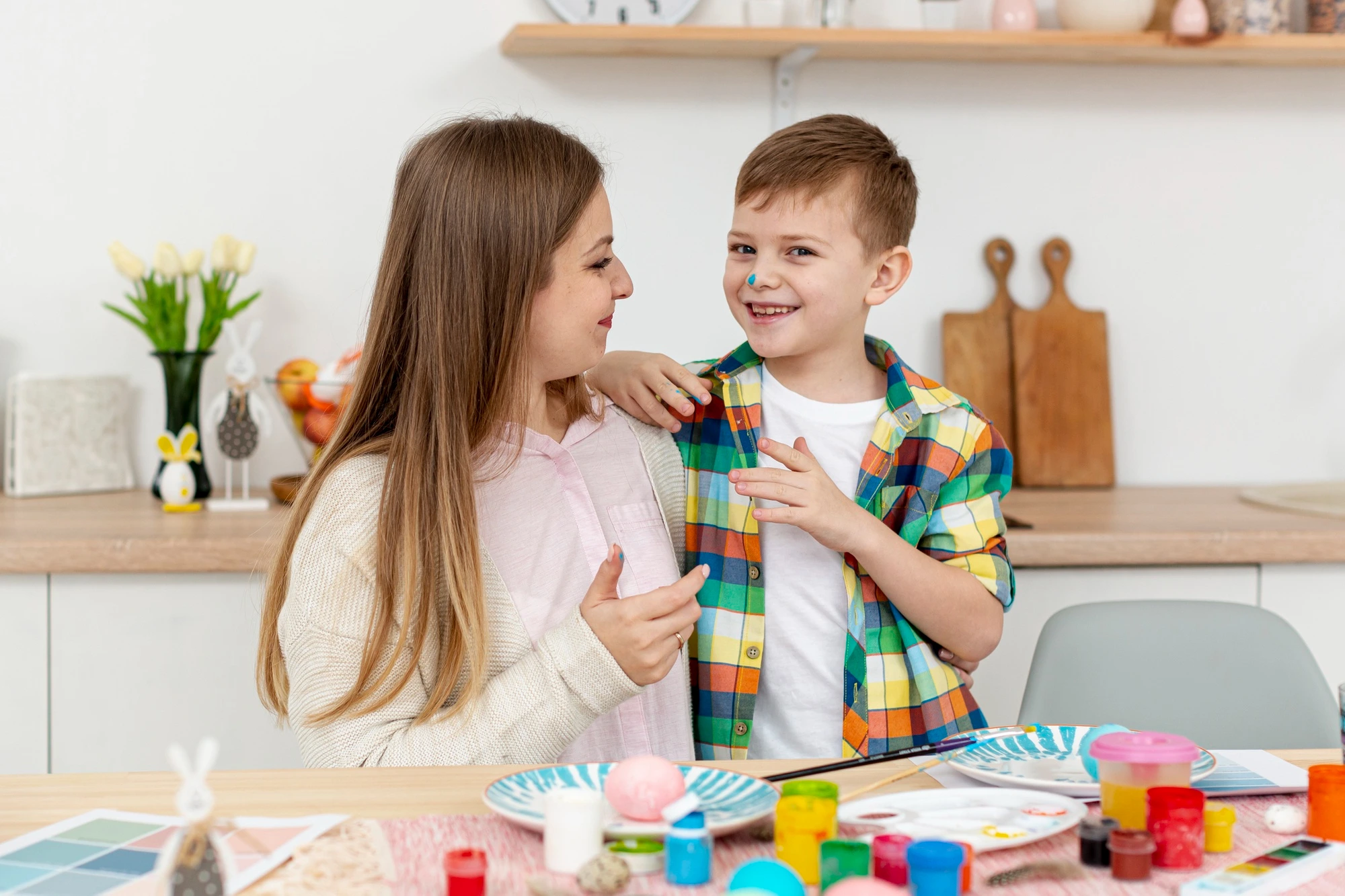
How to Create Beginner Easy Clay Models?
Here are 5 simple ideas that help learners practise and improve their skills.
- Simple Animals: For beginners, the most beginner-friendly option is to sculpt simple animals, due mainly to the fact that they are fun and do not require complicated forms. Learners shape heads as circles, create ears as triangles, and form legs as cylinders. Then, using magic modeling clay, the sculptor easily assembles the head and body to form cats, dogs, or even birds. Artists sculpt simple animals only to foster skill development and provide instant satisfaction.
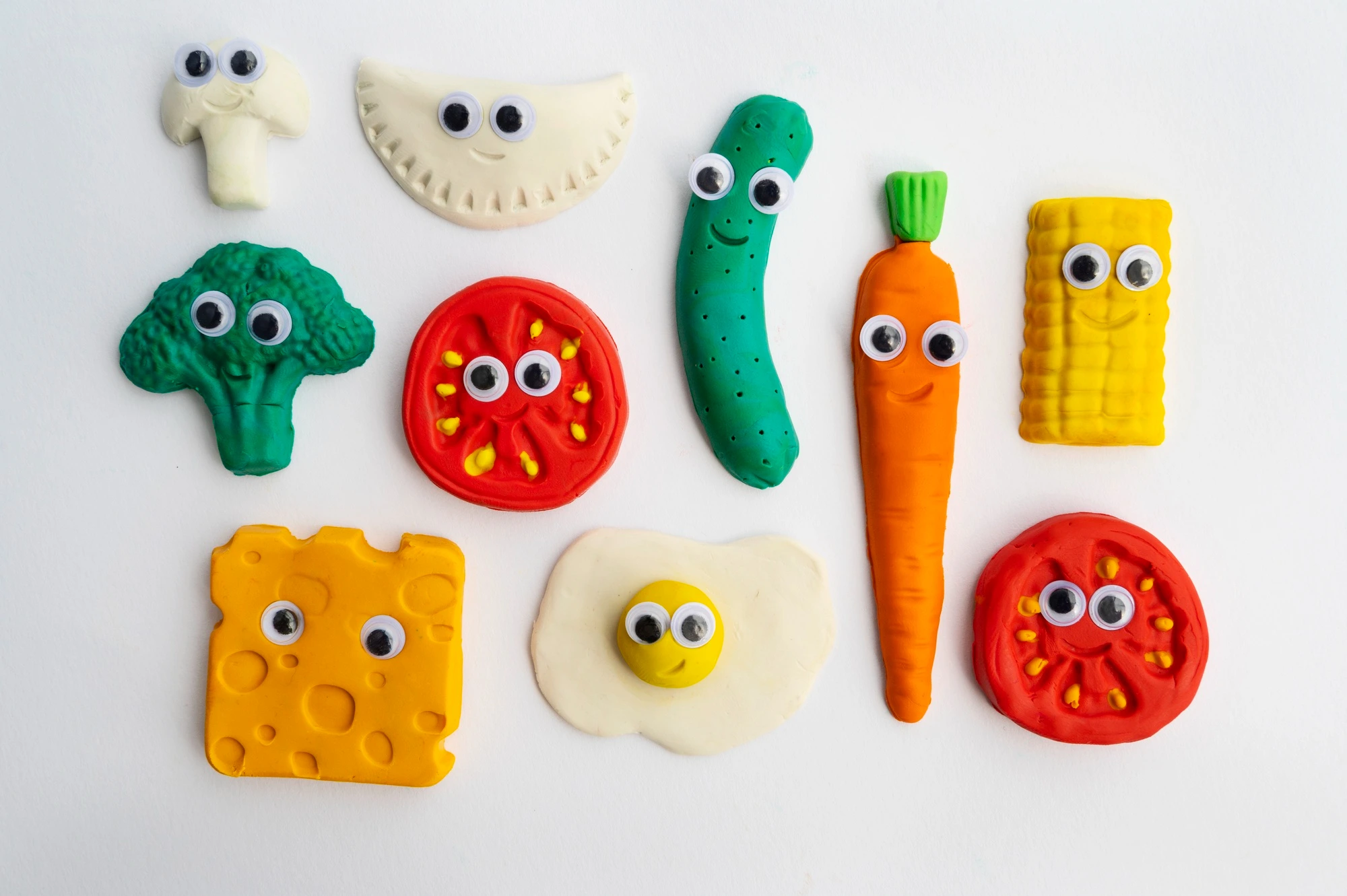
- Mini Food: Miniature foods, for instance, tiny versions of burgers, doughnuts, and various fruits, serve as learning tools and even fun projects for the students. Making the bread, students roll small balls of dough into flat circles, while the more complex layered shapes students use for icing the cake. Painting makes these designs more appealing and beautiful.
- Small Figures: To begin with, magic modeling clay makes sculpting characters easier by breaking them up into the various components that make them up, in this case heads, arms, and bodies. Attaching and joining these sections to make sculpted characters creates more stable models while also giving them personality. This process is incredibly beneficial for developing sculpting confidence as you see the finished design with every component. Small figures serve as wonderful practice for balance, detail and creativity.
- Cute Charms: For practice of sculpting and neat joining techniques, artists leave charms blank until they dry completely, and the sculptor decides whether they wish to attach them to keychains (popular) or entirely leave them as gifts. By sculpting using simple forms, artists make charms of stars, flowers, or even initials.
Which Clay Templates Work Best for Beginners?
Here are 5 helpful templates that guide learners toward better results.
- Printable Guides: Printable guides certainly provide beginners with a defined progression pathway. Learners download the free printable sheets from the internet, which provide outlines of various animals, shapes, or objects. Students apply model magic clay to such guides and shape the clay with relative ease. Guides lessen the chances of an error, ultimately helping students complete projects with neatness and precision. This allows learners at the early stages to better sculpt and polish their skills, as the project reduces anxiety and adds structure.
- Stencil Shapes: Students complete these projects rapidly, and they are quite delightful to undertake. Stencils are quite easy to trace and provide precise outlines for student projects. Students place stencils on top of clay sheets and then carve out forms and craft them with other tools. Students are able to construct circles, stars, and flowers with ease using this method. This method of learning is beneficial, as it reduces the amount of time and energy while allowing the students to focus on shaping rather than modifying their work during the initial stages of crafting.
- Step Patterns: Step by step guides are quite effective, as they offer a lot of improvement in a small time frame. Teachers divide and simplify a design as much as possible to ensure a child executes all the steps easily, resulting in each part repeating and being mastered. These types of guides help learners and beginners especially, who have a difficult time, as teachers help them learn proper sequencing in a project and sustain focus during the project.
- DIY Cutouts: Teachers show students how to evenly shape clay using cardboard or thick paper cutouts. When learners use these cutouts, they create a more defined shape. Using cutouts like these also saves money since learners make them from items found within the house. They act as a guide to learners in the early levels of instruction.
- Children’s Designs: Children’s template designs center on simple shapes like hearts, animals, or letters of the alphabet. These templates encourage imagination while keeping it simple. Learners easily construct, embellish, and color them. Beginning easy clay projects remain playful and fun through child-oriented templates. Using these types of clay templates makes learning easier, while learners develop creativity and imagination through straightforward yet organized methods.
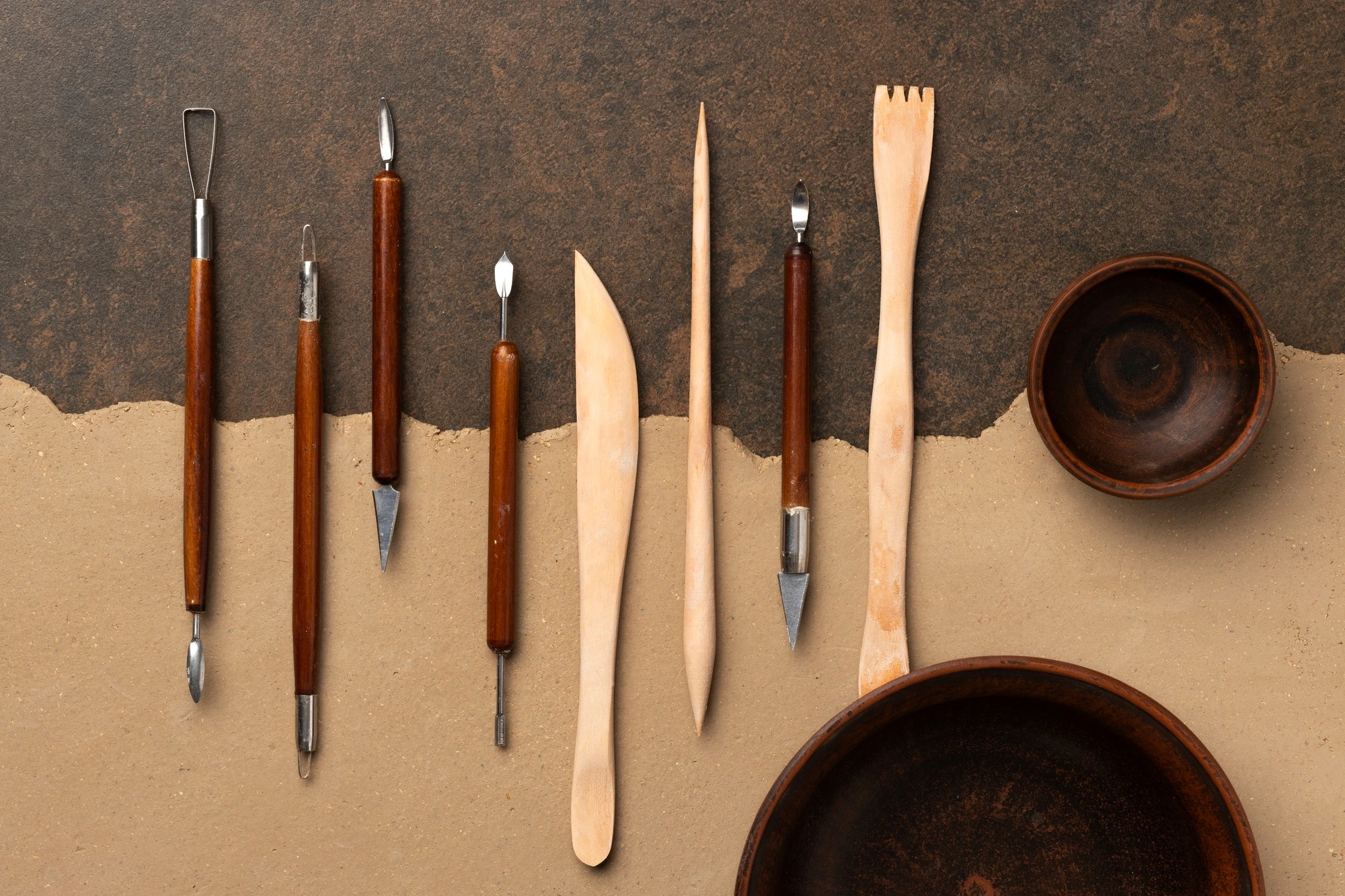
How to Get Creative with Model Magic Clay Projects?
Here are 5 creative ideas that bring variety to learning and practice.
- Jewelry Crafts
- Beads and pendants, along with necklaces, remain light and comfy for the wearer when artists make them from model magic clay. Beginners get to roll, shape, paint, and pierce holes to create colorful and artistic jewelry. The achievement is unique and personal.
- Home Decor: Tiny pots, candle holders, and wall hangings add and enrich the room with texture and color. Artists polish decor and art pieces with thoughtful design. Learners create simple forms, and then they add patterns, and they finish with painting. Polish and paint are the finishing, and these art pieces enrich any space. Home, for a beginner, is a pride, and decorating home adds and boosts confidence for the beginner.
- Gift Ideas: Clay gifts become personal, unique and radiate a sense of care. When artists make them (miniature sculptures, decorated frames, and colorful keychains) with love and care, it becomes presents for friends and family. Gifting art is a joyful experience, and every piece is personal and filled with time and creativity. It’s satisfying for the artist when others enjoy it. Beginner easy clay art brings a smile for the amount of effort that went into it.
- School Projects: Students frequently utilize clay for making diagrams, models for science, and showcases for history. The use of clay allows for better acquisition of knowledge, and, thus, making the lessons more interesting. Educators advocate for the crafting of volcanoes, animal figures, and other maps for imaginative presentations. Students follow described procedures to achieve neat and tidy outcomes. These projects integrate enjoyment into the lessons, thus, granting the learners confidence in the application of skills.
- Seasonal Themes: Holiday crafts such as pumpkins for autumn, snowflakes for winter, and flowers for spring cater for all seasons. These artworks serve as decorations for homes and schools during festive seasons. Beginners use templates such as clay models to complete festive crafts in a step-by-step manner. Seasonal items maintain enthusiasm in practice as well as bolster the link between creativity and celebrations.